
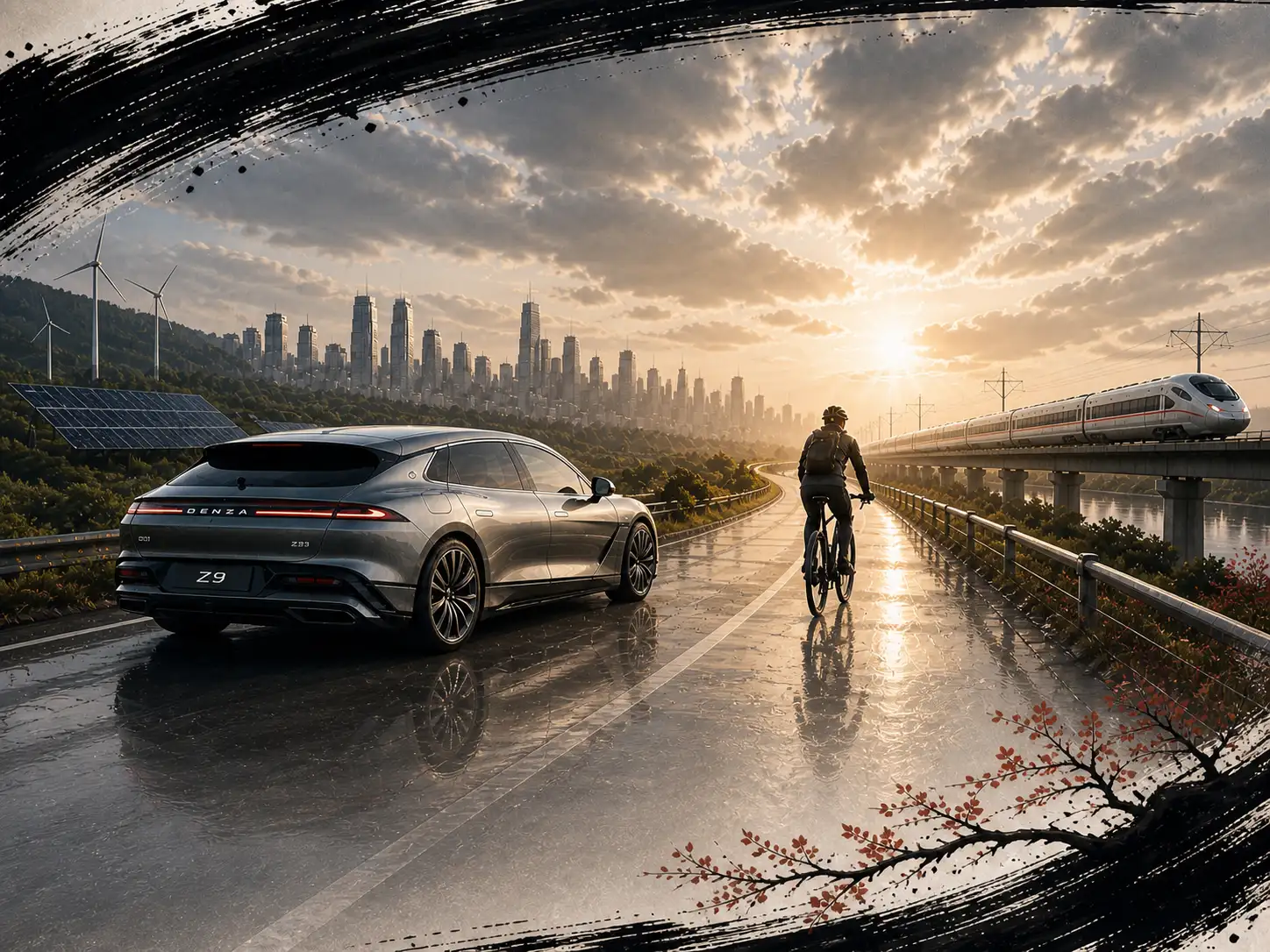
Where the car leads, Earth follows
- Since the dawn of motoring, the world has changed
- Socio-economic impacts, dependency and lifestyle shift
- Emissions and consumption remain unaddressed
As a car enthusiast it feels like it’s the end of the road. From the simple, accessible mechanics of internal combustion, to the tech-free interface between driver and landscape the visceral feeling of control is being subsumed by autonomous driving assistants and bloated vehicles.
At the same time, we know the planet Earth, our home, our liferaft, is being destroyed by the global industrialisation and mobility the car, and associated industries, introduced.
From extraction of ores to make new vehicles, to the geopolitical consequences of access to raw materials and resources – war, pollution, poverty, displacement, exploitation – even if cars disappeared overnight the harm they have done would take generations to undo.
You don’t even need to be that aware, that engaged, to have been drawn into the car’s sphere of influence. From birth, the semiotics of car ownership and its role in your life and status are coded into media, marketing and daily existence.
Dependency and consumption have transferred wealth to a very narrow strata of humanity, and as the end of resources crosses over to a better understanding of environmental harm, those individuals are railing, fighting, hoarding to protect their entitlement and position.
They are a symptom, not architects. It’s hard to envisage even the most ambitious of Henry Ford’s acolytes from truly grasping the depth to which the car would determine the future of humanity. Just selling a lot, and making some money, was enough of a win in the late 19th and early 20th century era.
But once established and aspirational, the car’s influence was assured. Within the incomprehensible damage this invention wrought upon the planet and every living thing that relies on it, there are millions of stories of success, of good, of art, of innovation.
The car is one of humanity’s most remarkable, most personal inventions. It becomes part of our psyche and development whether we want it to or not. And somehow, we need to find a new place for it, and a new solution for freedom and mobility.
Because if we continue on the path of one person, one car, short trips, big budgets, we won’t be leaving our homes thanks to the freedom. We will lose it all for the sake of a two-tonne metal and plastic burden. Forever entwined, bound, within an infinite loop of consumption, and an atmosphere of pollution.